

A.E. Housman had it right when he said:
“That is the land of lost content, / I see it shining plain, / The happy highways where I went / And cannot come again…”
For hundreds of Wymondham people, the loss of the Chapel Lane allotments cuts deep. The inevitability, given Anglian Water’s ownership of the land and its expansion plans, doesn’t make it any better.
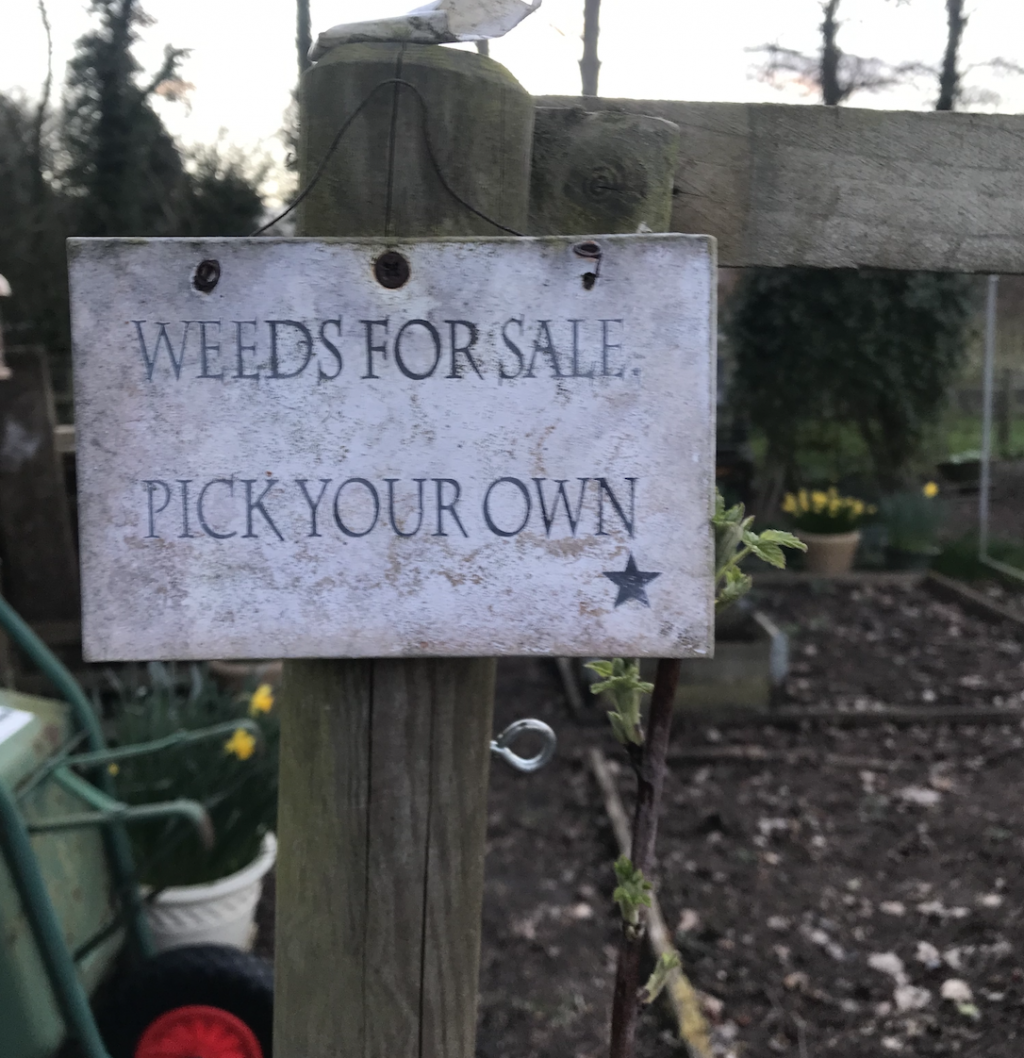
It’s been grim since the summer. Plotholders were not prepping for autumn planting. Fences were left unrepaired. Very few were weeding (why would you?). Then – heartbreak – as sheds and polytunnels started coming down for storage.
Yes, plotholders are lucky: the Town Council is working on a new site, and it will be wonderful to be able to dig and grow again, but no new provision could rival the beauty of what we had: a walk alongside the Tiffey, majestic old trees providing shade and habitat, and soil enriched and tended for well over two decades.
“It was a magical creative space … I hope you rebuild and shine somewhere else soon,” was one comment among the dozens on a video posted on Instagram and Facebook.
“I’m so sorry, it was a truly lovely space,” said another.
We know! Even though the lower plots sometimes flooded and washed out an autumn’s hard work, even though maintaining the water supply to the plots was laborious, and even though the rats saw sweet corn as an annual challenge – chewing through socks and guard bottles with grim determination.
Balancing it all out was the privilege of having a plot and the friendly community that was there to help you with advice, materials and tools. It was there for solo plot-holders, families with children, and partnerships. We hope plot-holders will rebuild this as they enrich the soil at the new site.
But at Chapel Lane, the wildlife was astonishing: the Wymondham Nature Group recorded 58 types of bird and three species of bat – while plot-holders saw weasel, water vole, and grass snake, with some finding field mice nesting in their sheds.
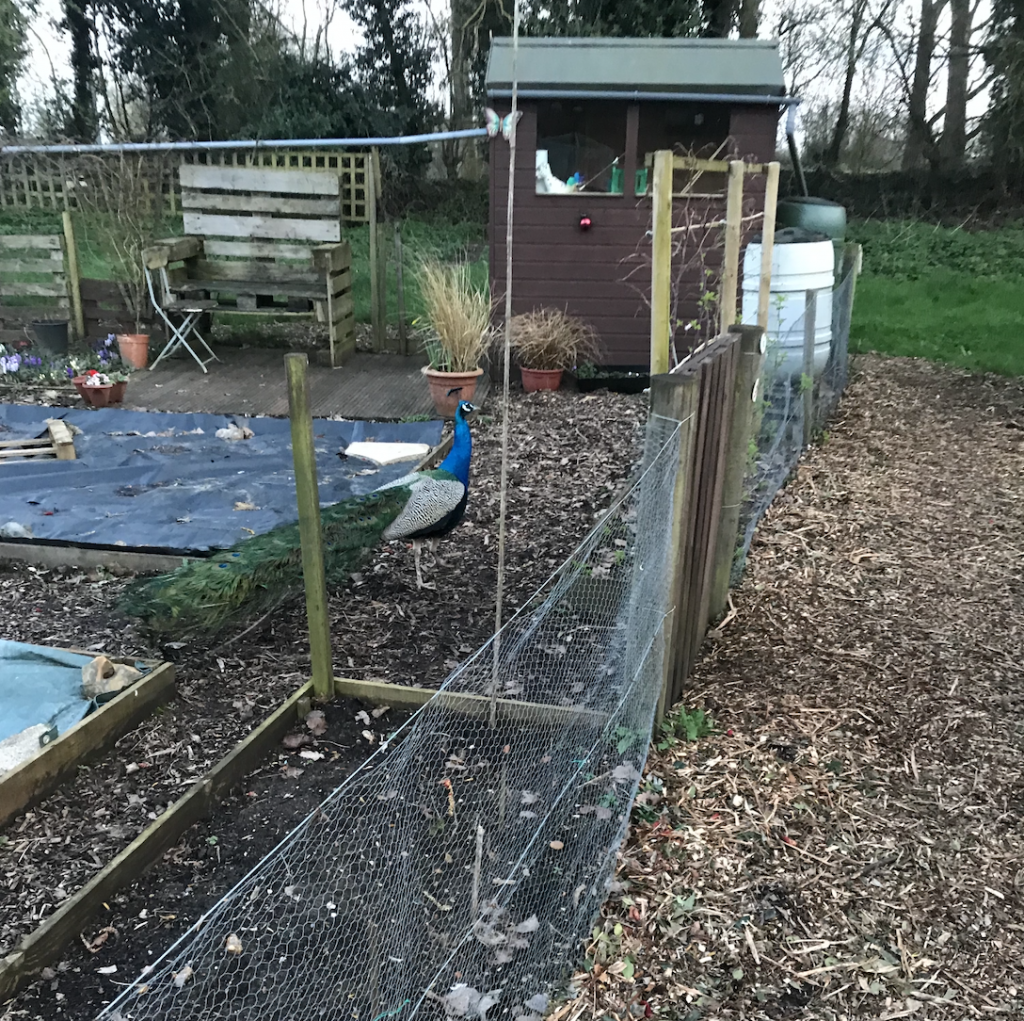
Everything had an upside. The flooding? Enriched silt. The long drainage ditch? A major route for wildlife. The sewage works themselves? A feeding station for swifts, swallows, martins and bats catching the insects that rose from settlement tanks.
And of course, the utter privilege of having your own place to be and grow things and escape the daily grind.
“It was a sanctuary,” says Jenny Blanchflower, “simple as that. A place where you could work hard, yet relax. And benefit from fresh fruit and vegetables – and cut your own flowers.”
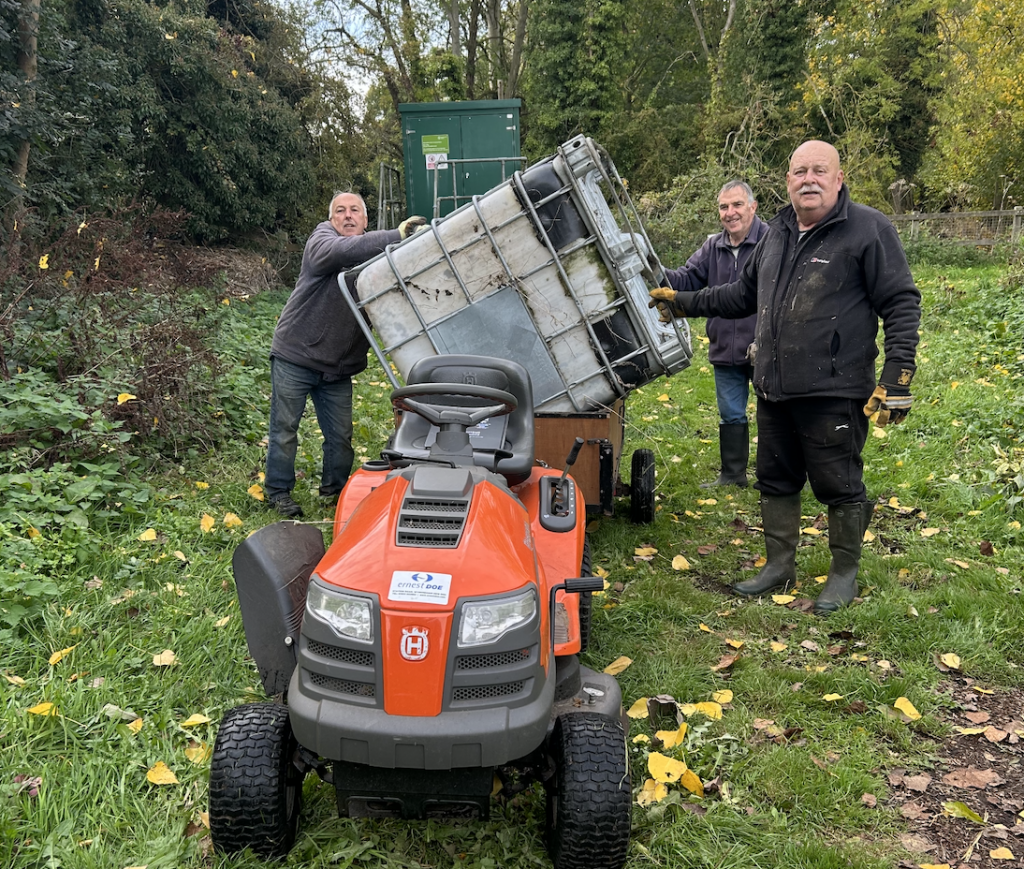
Of course, any new allotments will provide a new beginning with, one hopes, no flooding! And the allotment community has pulled together, with the Action Group organising storage, presenting plot layouts to the Town Council complete with a potential water scheme, and preparing to seek funding with input from the Association. The evacuation of the plots went brilliantly.
So we look back at our land of lost content, and hope we can establish something new and vibrant soon. A few feel they can’t start over somewhere else, though most have said yes. But it will be different.