

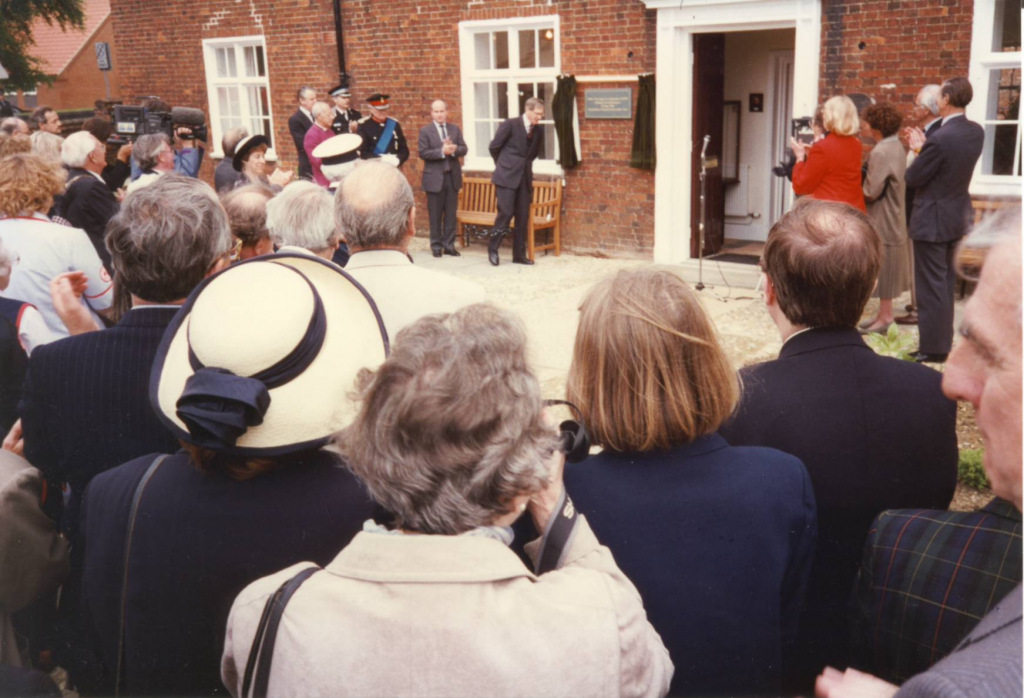
Wymondham Heritage Museum is celebrating 30 years in its home at The Bridewell. Over its long history, the building has served as a prison, a police station and a magistrate’s court.
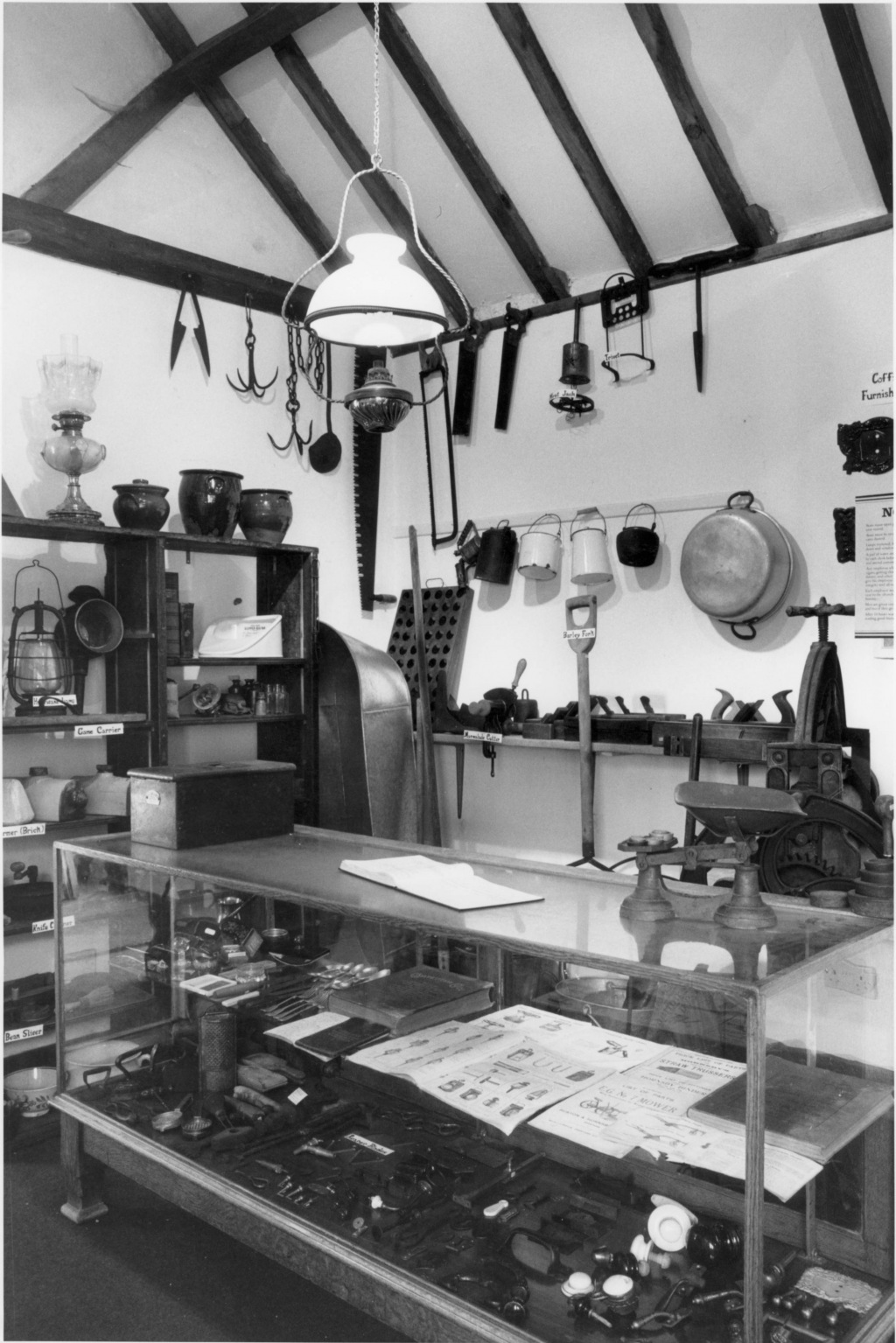
Over the past 30 years, thanks to a dedicated succession of volunteers, the museum has evolved into a major attraction that charts and catalogues the town’s history and offers something for all the family. But there is more to savour in the museum than the displays, exhibitions and artefacts. Pause a while before you enter and take a look at the impressive Bridewell. There was first a “House of Correction” on this site in 1619, when the basement of an old medieval house was used as a dungeon. Prisoners were kept in chains in the darkness.
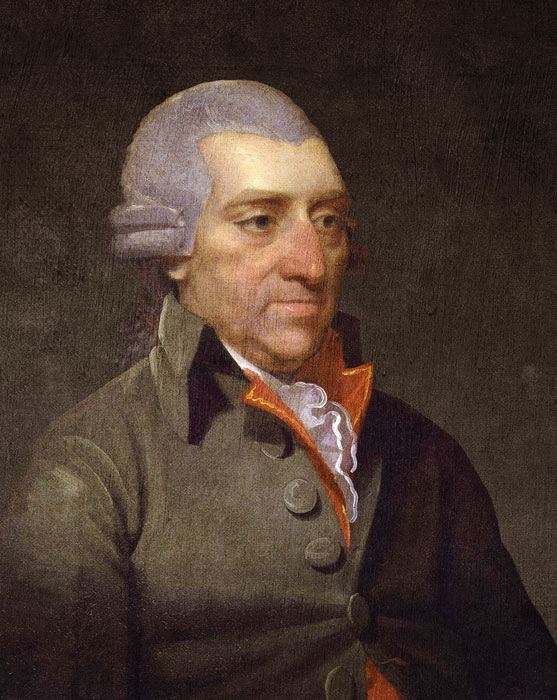
As you make your way around the museum, you can see the steps down which prison reformer John Howard walked in 1779 to inspect the dungeon. Imagine what confronted him. He later reported: “There is a room for women in which there were four dirty and sickly objects at work with padlocks on their legs. They are never out in the court except on Sundays. The very small quantity of straw on the floor was worn almost to dust. Prisoners in this Bridewell are not only confined within doors but generally in irons.”
Is it any wonder he made his celebrated statement: “One of the vilest prisons in England”?
Following his recommendations, picture the meeting in the King’s Head on Wymondham’s Market Place in 1784. Here, Sir Thomas Beevor assembled a committee to rebuild The Bridewell to Howard’s standards. So successful was this initiative that by February 1786, Beevor had received letters from eight counties in England, plus enquiries from Scotland and Wales, requesting his guidance, saying they wanted to put their houses of correction under similar regulations. Hence, the Wymondham Museum became the “Model Prison”.
A survey on the state of prisons in 1812 gave “The County Bridewell, Windham” a positive report. Accommodation was good and clean. Prisoners got one pound of daily bread for breakfast. Dinner was either boiled peas or potatoes with a treat on Sundays of “Hanway’s soup of ox cheek”.
The report concluded: “The excellent rules and orders of this prison are properly displayed. The prisoners are discharged from hence in the morning and have one shilling in money given to them, after which the Keeper conveys them either to their respective home or their parish.”
The Bridewell closed in 1825 but reopened in 1832 as a women’s prison. The 1851 Census lists 20 prisoners, including Ann Gibson, aged 21, who had her five-month-old baby, Rhoda, with her.
The women did the laundry for Norwich prison as well as the Bridewell. If you sit in the courtyard garden to enjoy a snack from the Tearoom, you are where the women hung the washing to dry. If you’re having a cuppa in the Tearoom, you are sitting in what was the exercise yard for prisoners on remand when the Bridewell was a police station.
The full history of the Bridewell is on display, which includes information about prisoners, their conditions and Sir Thomas Beevor’s plans for the prison’s upgrade.