


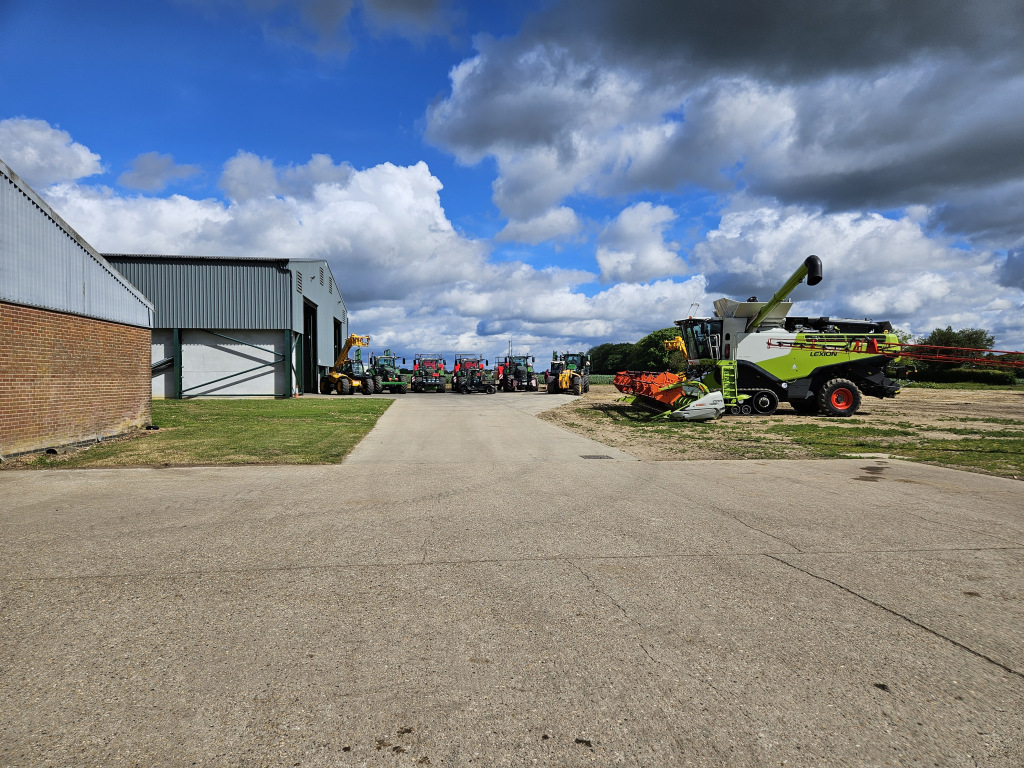
May would normally be a month of readying for harvest and autumn drilling plans and talking to suppliers about buying straw, but uncertainty over fuel, fertiliser and crop prices has made budgeting very difficult.
The war in Iran has increased the cost of inputs but stock futures prices for wheat remain remarkably subdued. There’s a risk that the global price of wheat won’t be enough to cover the cost of diesel, wages and fertiliser and I’m aware of some farmers planning to leave their fields fallow next winter. That’s something we’ve not seen in the UK since the Great Depression and should be a cause for concern for UK consumers.
The winter drilled crops continue to grow steadily despite April’s dry weather, the rapeseed has spilled its pungent flowers and gone over to seed. The spring drilled crops aren’t looking very happy but cling on to every drop of moisture.
Birdsong and wild animals accompany the lighter mornings, lifting the spirits as I walk the fields. We host one of the national trade associations of which we are members on farm in early May, giving us an early opportunity to spruce up the farm before our Red Tractor audit next month and readying our machinery for harvest in July.
A sunny summer: you read it here first
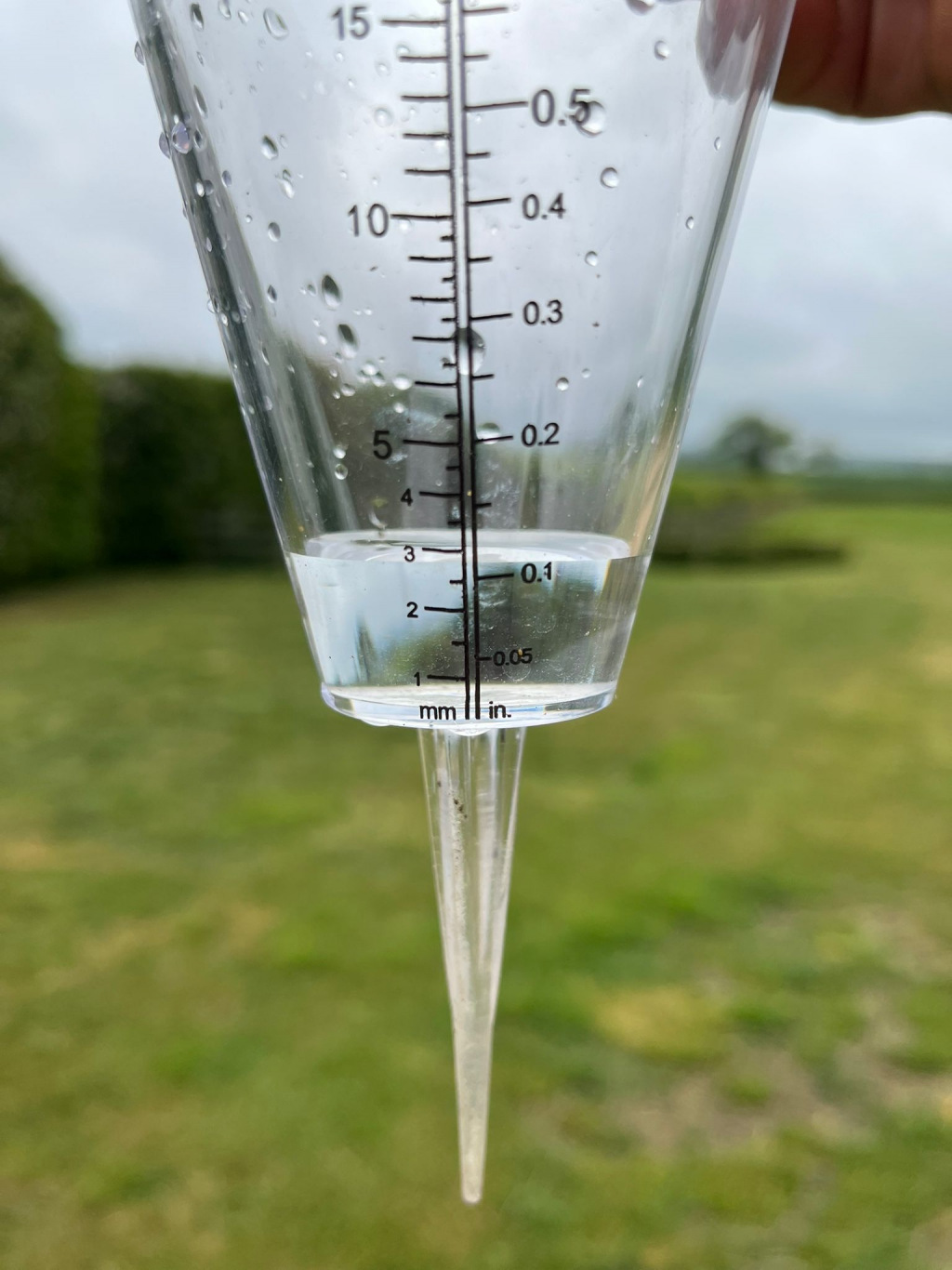
The editor of Wymondham Magazine pointed out that my facetious prediction of record dry weather after my last article bemoaning the wettest February on record around here was indeed followed by the third driest April on record. I shall therefore predict a lovely sunny bank holiday followed by 6 weeks of gentle rain with sunny intervals to get us to harvest/summer holidays whereupon it will remain dry until you come back off your holidays and our crops are in the shed. You read it here first.
“Would you like cbam on that sir?”
As I sit down to write this, a notification pops up on my phone from the NFU (National Farmers’ Union). The government announced yesterday that it will continue the 5p freeze in fuel duty until the end of the year, reduce red diesel duty by 3.7 pence per litre and introduce a 1 year holiday on HGV excise duty – which will help us with deliveries and collections on farm as well as with our own lorry operating costs. This lunchtime they have announced that they won’t be controlling prices of goods such as bread, milk and eggs after all, which as a producer (and supplier to producers of these goods), is a relief.
I’m rather left thinking though that all of this tinkering around the edges of tax policy to ease the burden on consumers wouldn’t have been necessary had the government taken its goal of driving growth seriously, rather than introducing a raft of anti-growth measures – like the rise in Employers NI, Renters’ Rights Act and Employment Rights Act – that push up inflation instead. The same authorities that seriously considered controlling the price of food by fixing prices are simultaneously planning to increase the price of food by introducing a Carbon Border Adjustment Mechanism (CBAM) in January (basically a tax of 20% on fertiliser, which has already increased in price by up to 40% since the war in Iran began). So by next winter I may not be able to afford the weekly shop, but at least I’ll get a discount on my children’s cinema tickets.
Actually, about that summer…
I just checked back to what I wrote in May 2025 and I asked for normal weather in April 2026. So best you pack a coat to the beach then.