

Our mystery farmer in the Wymondham area takes a break from cutting up baler twine to store in the door pocket of his truck to tell you what he’s been up to in the last month.
August
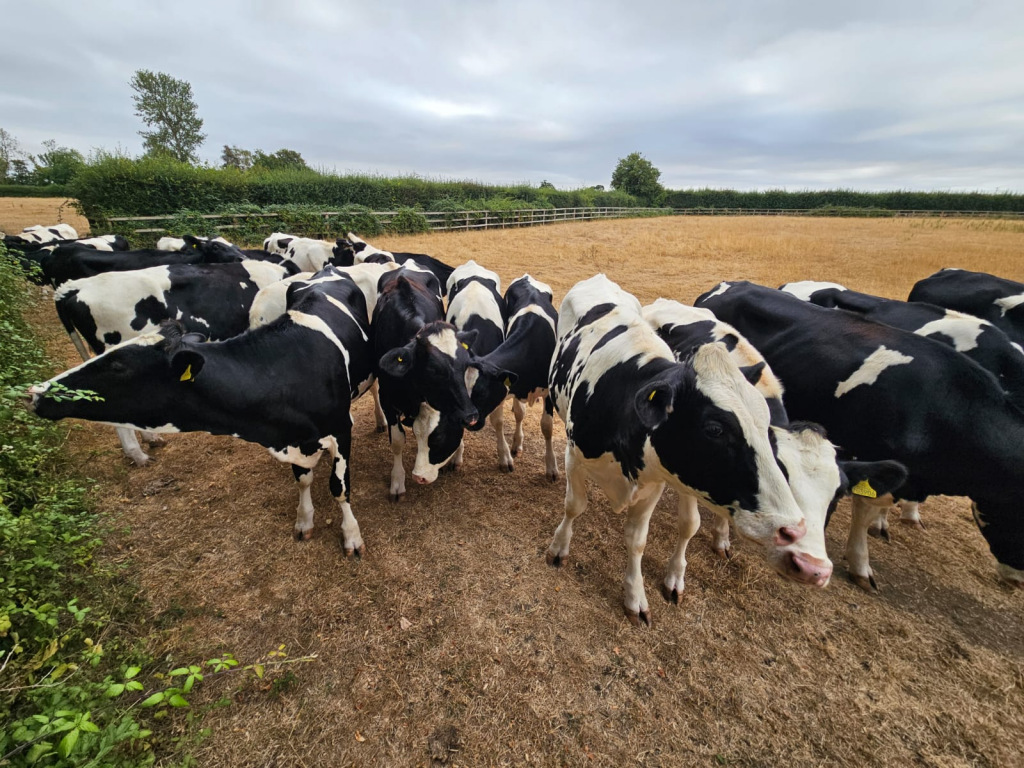
The birds and insects continue to hum around the trees and hedges in spite of the drought. Sugar beet lap up every drop of dew they can. Golden stubbles and parched brown grass bake under the scorching summer sun and cloudless skies. Cows nibble at early blackberries in the shade of the trees next to a trickling stream.
Rain, rain, come today
I held off writing this column until the last moment to welcome (and celebrate) the mid-month rainfall. Unfortunately we have only received 1.2mm of rain as I write, though more is due tonight. At the risk of sounding like the government emergency alerts and patronisingly stating the obvious, the dry conditions mean that we can’t get on with tilling the soil and sowing next harvest’s seed until we receive a period of steady rainfall to soften the ground.
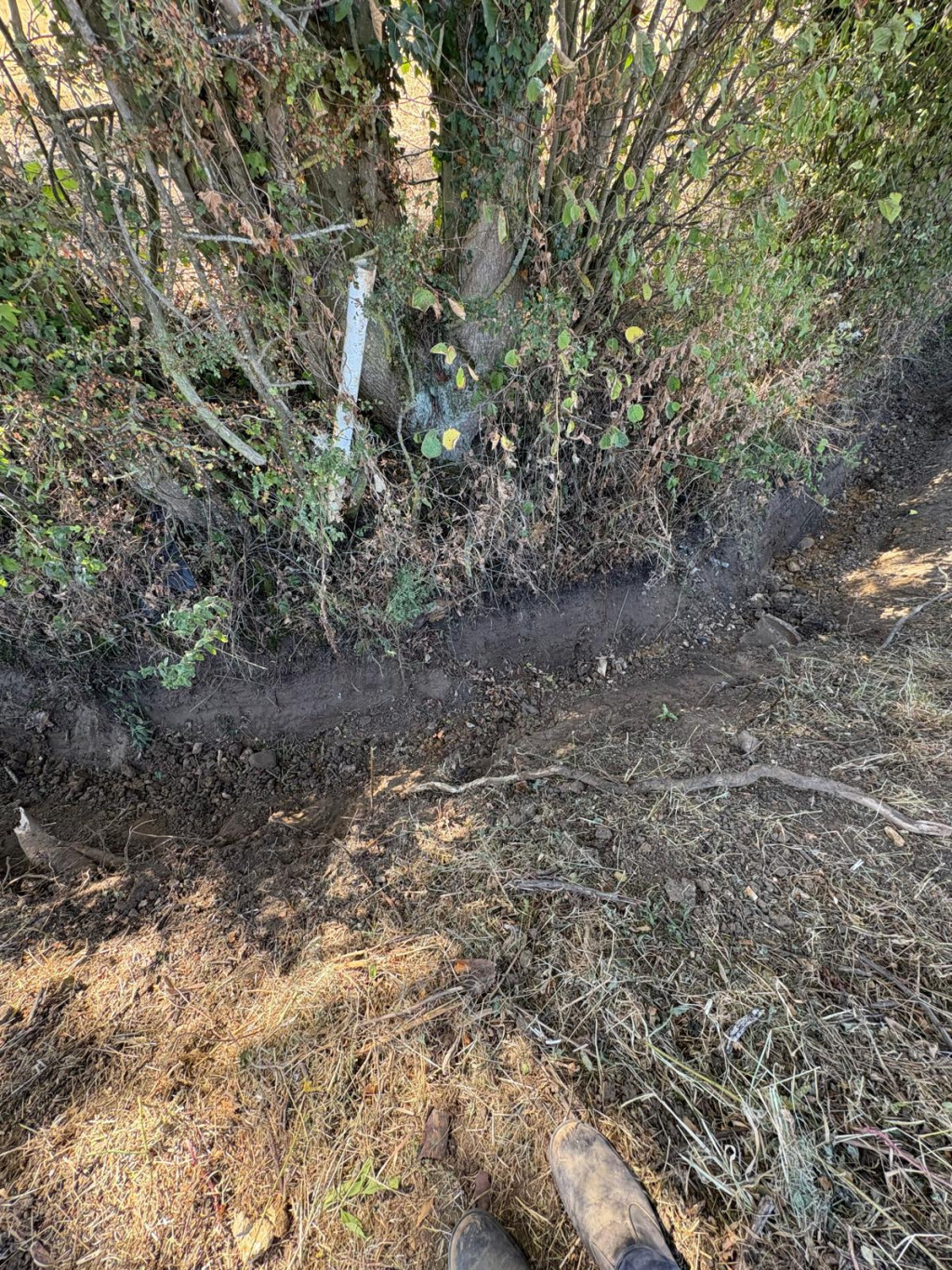
We busy ourselves with other jobs, such as hedge cutting, repairing drains, ditches, fences and machinery and bringing our records up to date for compliance and management information reports. Our straw suppliers are invoicing for payment, continuing the trend of cash out of the business begun by purchasing seed, fertiliser and sprays at the beginning of harvest. We’ll have no steady money coming in until late October when payment for early lifted sugar beet arrives.
Breaking the wrong records
Harvest was over in record time this year, taking around 4 weeks to combine and a couple more to finish baling, having had no rain to halt progress. We had two new faces joining us for harvest, supplementing two old hands who join us every summer – morale remained high in spite of the relentless weather conditions. Our rapeseed yielded well, everything else’s performance depended upon when it was planted and the type of land it was planted in: but on average yielded mediocrely.
One beneficiary of the weather appears to be our fruit trees and bramble bushes – our Victoria plums are already being gorged upon by wasps and other insects and the apple trees look abundant, even if the apples look smaller than normal. As we pray, rain dance and do whatever else we can think of to bring on the rain, we gather up the fruit to store and freeze, marvelling that the trees can continue to find moisture in the earth to sustain them.
Cheers bo’
A highlight of an otherwise subdued summer so far has been the performance of our malting barley.
We’ve not grown malting barley for more than 30 years on the farm because crops grown for human consumption have much more stringent quality requirements than crops grown for animal feed do: in addition to equally stringent ergot, mould and bug infestation levels, and stricter levels on moisture and screenings (bits of chaff or weed seeds mixed in with the grain), milling or malting grade cereals need to have a certain weight to the grains, high variety purity, lower nitrogen content, certain flour elasticity (called the Hagberg Falling Number) and particular protein and starch contents depending on what the end use is.
Our malting barley in particular needed a nitrogen content of <1.65% to make whisky grade malt (beer is 1.60%-1.85%), which we managed to comfortably meet with an average of 1.62%. Our barley will be germinated and processed into malt which will then be sent on to distilleries across the UK. Hopefully we’ll all still be around to enjoy it in 20+ years’ time to toast an abundant harvest!