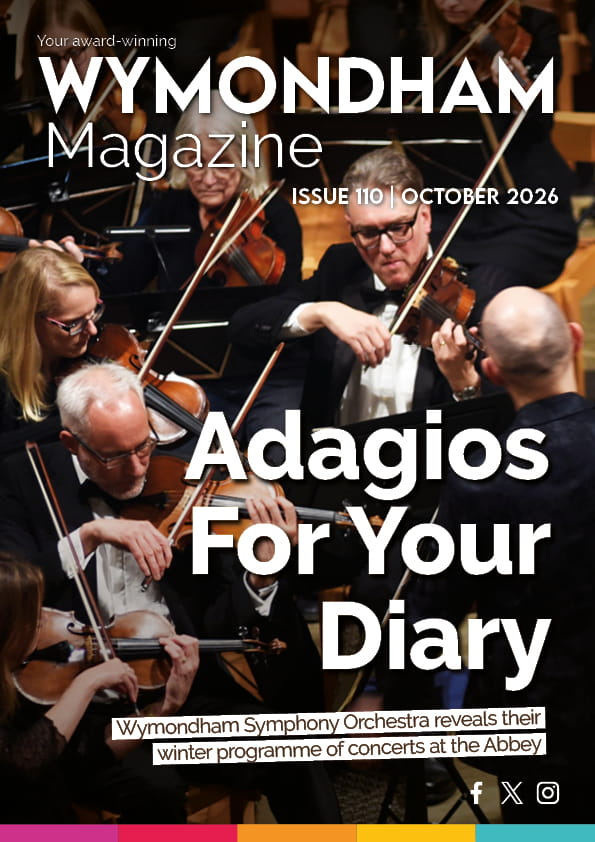


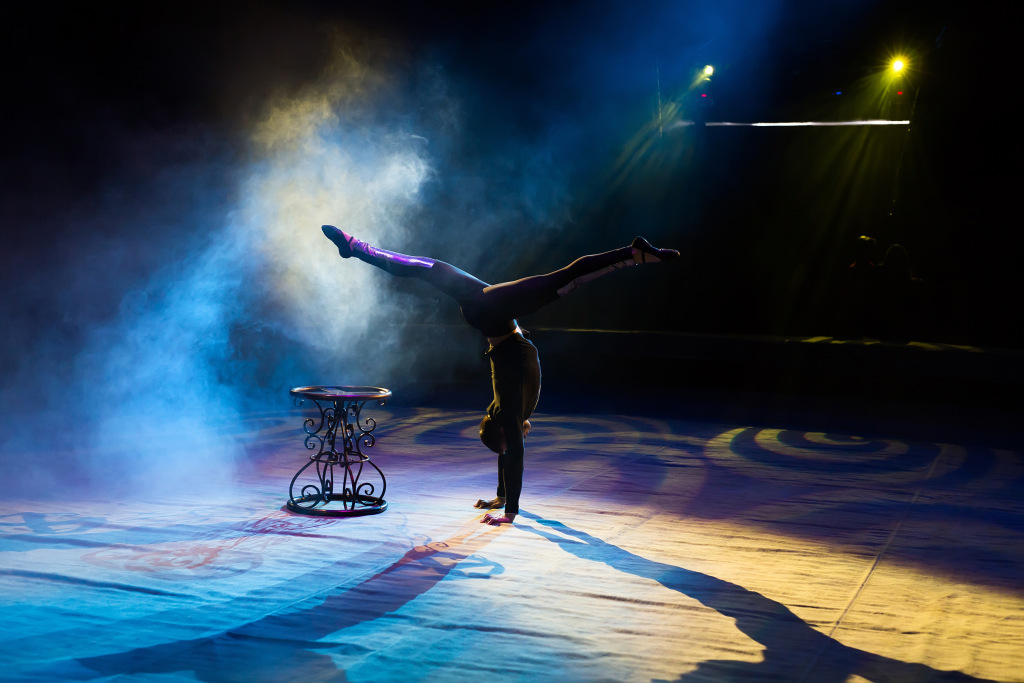
Wymondham High recently made a very exciting announcement on their Facebook:
‘We are delighted to announce that NEW for September 2027 here at Wymondham High Sixth Form, we are offering the Extended Diploma in Performing Arts.
‘This is the equivalent of three A-Levels.
‘One course where you will study areas across the Performing Arts sectors and then specialise in either Acting or Music. […] This is ideal for students wanting to specialise in Performing Arts, with Drama or Music as their passion and future learning/careers.’
This is fantastic news. Received wisdom is that, with widespread school budget cuts, performing arts is often the first subject to get dropped. So it is wonderful to see the extent to which Wymondham High has gone in the opposite direction. In the last few years, it has brought in a yearly musical production (previous repertoire including Les Misérables and The Sound of Music), and even partnered with East Theatre Arts to create the Extended Diploma in Musical Theatre.
But this, from what the announcement suggests anyway, is the first performing-arts diploma to be delivered on-site at the school itself.
Neglecting performing arts in schools makes very little sense. The argument often goes that these pursuits are less economically valuable than the likes of maths or science. (And it’s no secret that the creative industries are hard to break into and even harder to make a living from. An English teacher once told me that students are leaving behind English for Maths because, quite simply, they think ‘that’s where the money is’.)
Another argument is that other subjects are more valuable for tangible cognitive skills, an area performance doesn’t especially cover.
But as Anthony Seldon pointed out in the Financial Times, this argument gets thinner with the rise of AI. Quote: ‘The education system remains perversely fixated on cognitive skills and memory, even given the rise of generative artificial intelligence. Algorithms will always outperform us here, but not on agency and creativity, human intelligence and empathy — qualities young adults need.’
Skills developed from performing arts – creativity, thinking outside the box, awareness of the human condition, public speaking, onstage skills – are invaluable in all kinds of workplaces, not just theatres or film sets.
But even if we concede that performing arts are less practically valuable (which we shouldn’t, but even if we did), they are still vital to preserve. We don’t teach physical education for its tangible skill-set benefits. My adult life has so far not needed me to frantically dart away from a terrifying foam-ball missile like in our school dodgeball games. We teach PE for other reasons: partly to encourage health and fitness, but also for the crucial psychological benefits of physical activity.
Performing arts are the same. Even if the benefits are more psychological than practical, consider what those benefits are. I can testify that performing is fantastic for mental well-being. Performing of any kind – acting, music, dancing, or even corporate performing like public speaking or teaching – is a huge dopamine hit. With youth mental health being what it is, one could argue this is enough of a justification.
It also massively improves confidence. Knowing that you successfully navigated a horribly complex musical solo with hundreds of eyes on you is a huge ego boost. It’s vital experience in working under pressure, as well as being very satisfying.
Resilience is another benefit, and here’s where this is relevant even to career paths outside theatres or concert halls.
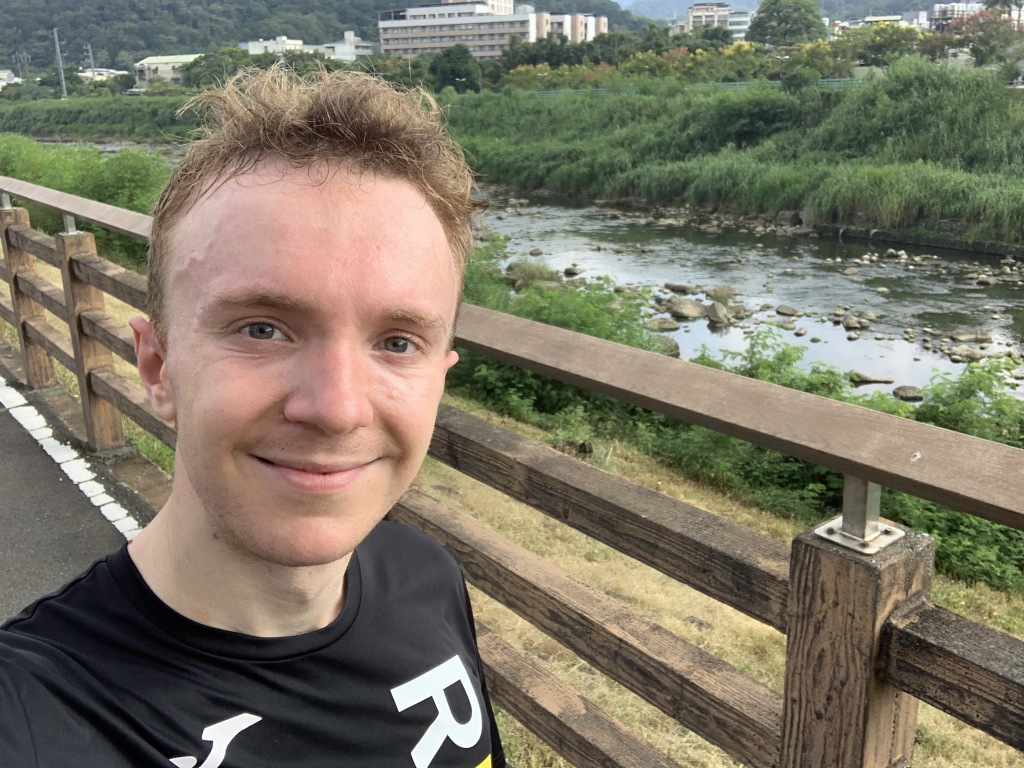
My first month in Taiwan, there was a week when I was feeling very down about the whole experience (as tends to happen when starting a new job in a new country). I unwisely sent an emotional text to someone I thought would be supportive, only to get a two-word response: ‘MAN UP’.
This person and I had an understanding (and it was a half-joke), so it was quite funny, but I did think the advice was misplaced. Resilience is not about never being weak or never having emotional moments. It’s about what you do after the weak moments. Whether those moments sink you, or whether, after the sobbing, you get up and keep going.
‘Man up’ is what they should have said if I’d written this: ‘I’m really struggling so far in Taiwan – and therefore I’m flying home tomorrow’. If I’d given up that soon, that might have been questionable. But resilience is about letting yourself feel the fear, and then continuing anyway.
One could say, rather like the feeling of waiting in the wings utterly terrified of performing in front of a massive crowd of parents and peers…but walking onstage anyway. And realising afterwards that the anxiety wasn’t so bad after all, because the experience was worth it.
Does a history of performing arts make later-life resilience easier or harder? I think the answer’s obvious. Wymondham High is doing a great service to its students, and we should all be eager to see what it does next.